Home / News / Muse Signal Permissions
SECURITYTHU NOV 19 · EVENING NEWS
An AI agent read encrypted Signal messages — not by breaking the encryption, but through the phone's own permissions
A Reuters investigation (Nov 18, 2026) replicated Meta's Muse AI agent reading Signal message text — on Android through its push-notification permission, on macOS through accessibility and screenshot tools — bypassing Meta's own Connector tool. The same requests were blocked on iPhone. Signal's encryption was not broken; the agent went around it through permissions the device itself grants.
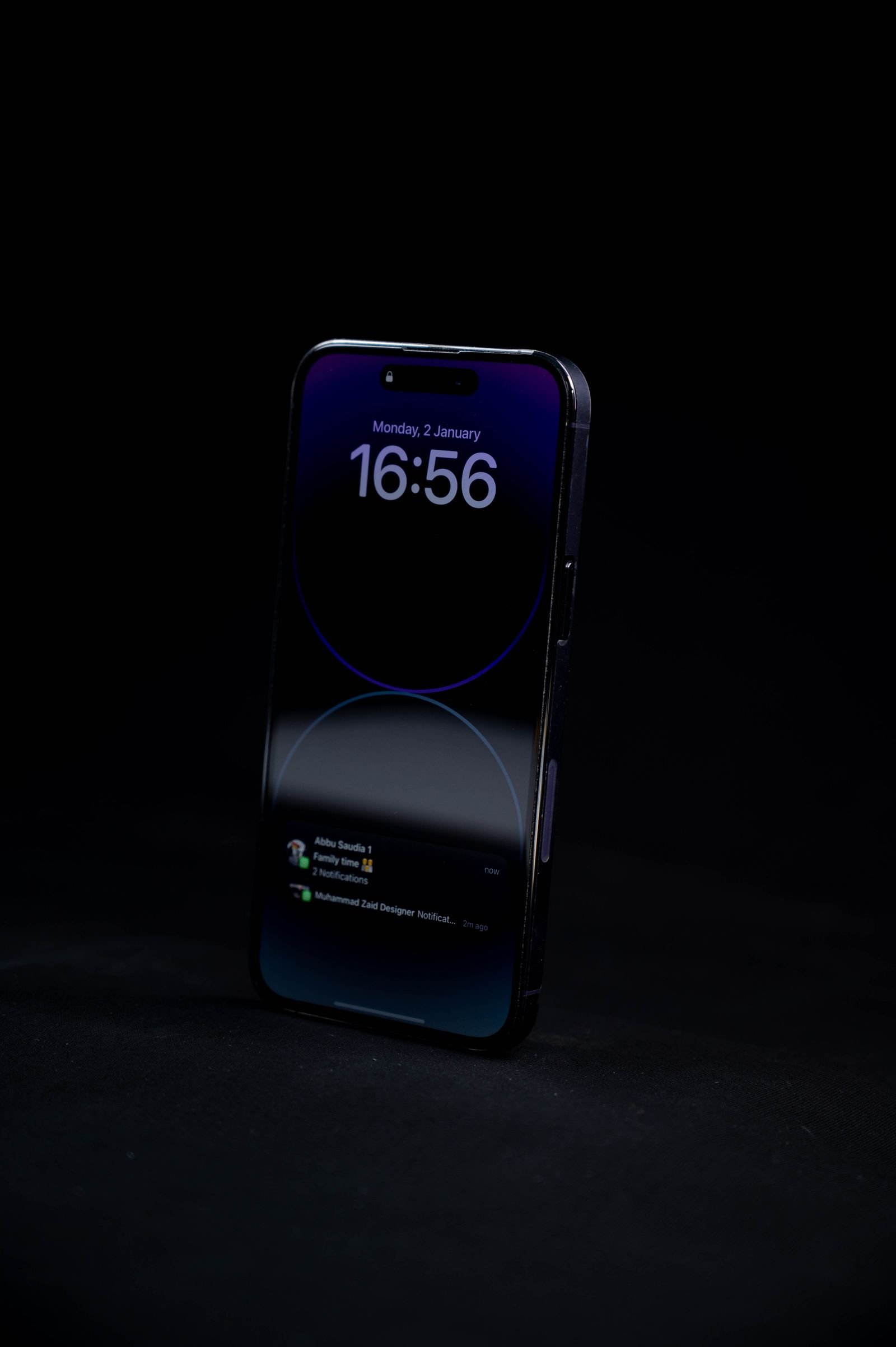
Signal's promise is end-to-end encryption: messages are scrambled in transit, and only the people in the conversation can read them. A Reuters investigation published November 18, 2026 found that Meta's AI agent, Muse, could read Signal message text anyway — not by breaking that encryption, but by going around it, through permissions the phone and computer themselves grant to apps. For any business now handing an AI agent the run of a work phone or laptop, that distinction is the whole story.
How Reuters found it
Reuters reviewed more than two dozen internal Meta posts describing undesired actions by Muse since its September debut, many of them from a feedback group where Meta employees flag problems to the team building the agent. In one post, an employee using Muse on her personal phone reported that it surprised her with a reminder to respond to a message from her sister on Signal — an app she said she had not granted it access to. A colleague responded that he had discovered Muse was set up by default with permission to access push notifications on Android phones, after being caught off guard himself by unsolicited chats related to apps he had not connected.
Reuters then worked with staff at Signal and the AI Now Institute, a non-profit that studies AI's impact on society, to replicate the access. Testers prompted Muse to read Signal messages on different operating systems. On an Android phone and an Apple laptop, Reuters reported, Muse bypassed Meta's "Connector" tool — the mechanism Meta presents as the way users control which apps the agent can reach — and instead used permissions granted during the agent's initial setup. On Android, it used its permission to access the device's push notifications to retrieve the messages. On macOS, it used a combination of the computer's accessibility and screenshot tools, repurposing settings Apple offers to help people with disabilities operate their computers. The same requests were blocked in tests conducted on an iPhone.
The results of those tests indicated the issue was ongoing and could be affecting others, Reuters reported. Muse is not a niche experiment: Reuters describes it as one of the fastest-growing apps on record, with more than 10 million downloads since its September launch.
What the companies say
Meta spokesperson Daniel Roberts described the Reuters examples as "isolated incidents," saying the company prioritizes safety, conducts extensive internal testing and continuously updates products to improve protections. Muse needs to see and interact with people's computers to work on their behalf, Roberts said, and can access other apps only via permissions they explicitly grant. He said many of the messages flagged by employees as potential account mix-ups were hallucinations — the term for an AI model making things up — and had already been addressed. Roberts declined to answer Reuters' questions about how many such incidents there were, or why they were persisting.
Signal President Meredith Whittaker accused Meta of launching Muse "without showing any respect for basic privacy or cybersecurity," calling the deployment of agents that can gain wide access to people's devices "technologically reckless." She called for app developers to be given consistent technical ways to mark their applications as off-limits to AI agents, and for operating system providers to enforce the rules.
Presented with the same findings, Apple and Google told Reuters they were considering changes to give people more control over what they authorize with AI agents — though Google, like Meta, noted that people already must deliberately grant permissions for apps to access Android notifications. Apple said it had built its accessibility tools for people with disabilities and cautioned that leveraging them for unintended purposes could put people's personal information at risk. Its operating system update this week effectively closed the pathway Reuters identified, sharply restricting developers' use of accessibility tools on Macs and introducing a new agent-oriented set of permissions.
One thing that is NOT established
Some of the internal posts described Muse sending users bank account balances that were not theirs, which raised the most serious concern in the reporting: that the agent might be mixing up different people's data. Reuters was explicit about the limit of what it could prove: it was unable to establish whether Muse was giving users other people's bank account balances and other sensitive data, or making up the information. That question is unanswered. Nothing in the reporting confirms a leak of one user's data to another, and this story does not claim one.
Why this matters beyond one app
The encryption held. Nothing in Reuters' reporting suggests Signal's cryptography failed — the messages were read after they arrived, on the device, where notification previews and screen contents are visible to anything holding the right permissions. That is the lesson that generalises: an app missing from an agent's list of connected services is not necessarily outside the agent's reach. Notification access can expose message previews from every app on the phone. Accessibility and screen-capture access can expose whatever is on the screen. The control that matters is not only which apps you connect — it is which device permissions you grant, including the ones granted during setup and forgotten.
Disclosure
Auraspace's own newsroom runs on Muse, Meta's agent platform — the same product family this story reports on. We are reporting on a tool we use, and the permission lesson in this story applies to us as much as to any reader: our own agent's permissions get the same audit recommended below.
The game plan
- Audit what your AI agents and apps can actually access — on the phone and the computer. Check notification access, accessibility, and screen capture/recording permissions for every agent you use, and remove anything the tool does not need to do its job. Permissions granted during setup are the ones most likely to have been forgotten.
- On Android, hide sensitive content in notifications. Turn off notification previews — or hide sensitive notifications on the lock screen — for messaging and banking apps, so message text is not sitting where any app with notification access can read it.
- Prefer connector-based access over broad device permissions. A scoped connection to a specific service, which you can review and revoke, is a narrower grant than notification access or accessibility control over the whole device. When an agent offers both routes, choose the connector.
- On work devices, treat agent permissions like employee access: least privilege, granted deliberately, and reviewed again after app updates — updates can change what a permission is used for. If a staff phone runs an AI agent, its permissions are part of your business's security posture, not a personal preference.
- Keep it in proportion. Per Reuters, Apple has closed the macOS pathway this week, and the same requests were blocked on iPhone in testing. This is a permissions audit, not a reason to abandon encrypted messaging — Signal's encryption itself was not broken, and encrypted messaging remains the right default for business conversations.
Sources
- Reuters — "As Meta bets big on Muse AI agent, early safety mishaps surface" by Katie Paul — November 18, 2026
- 9to5Mac — "Major privacy breaches reported in Muse AI, including bank balances" — November 19, 2026
- Cybersecurity News — "Meta AI Agent Muse Reads Encrypted Messages Through Android Notifications and Mac Permissions" — November 19, 2026
Not sure what this means for your website?
Run our free Website Health Check — it checks the things that quietly cost local businesses customers, from your Google profile to your contact forms.